
Kaitlyn’s Story
Every Journey Begins with a Story
When Kaitlyn was four years old, her mum reached out feeling exhausted and unsure where to turn. Toilet training had become a daily battle. The family had tried everything they could think of—Miss Rachel’s toilet training resources, Gotta Go Giraffe, training underwear, reward charts and positive encouragement—but nothing seemed to help.
Every attempt ended with tears, screaming and overwhelming distress. Kaitlyn desperately resisted sitting on the toilet, and no one could understand why.
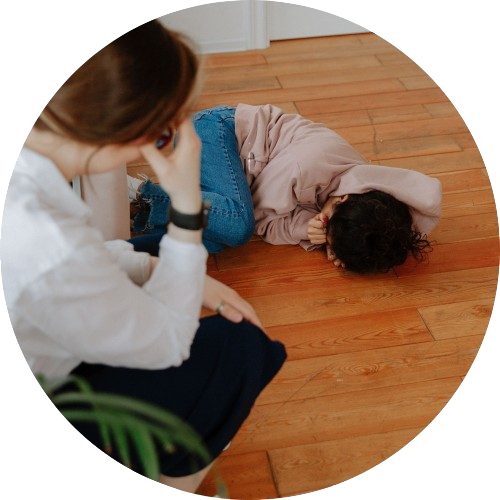

To understand her story, we needed to look back.
When Kaitlyn was just two years old, she injured her hip after almost falling from the lounge. The injury affected her confidence and ability to walk, particularly on flat surfaces and stairs. This led to multiple doctor appointments, chiropractic visits and X-rays to determine whether there was a serious injury.
During one X-ray appointment, Kaitlyn was so frightened and unable to stay still that four doctors were required to hold her so the images could be taken. Although this was medically necessary, it was an incredibly overwhelming and frightening experience for such a young child.
“Mum, when you sat me on the toilet, it reminded me of when the doctors held me down.”
– Kaitlyn
Suddenly, everything made sense.
The toilet itself had never been the problem. Kaitlyn’s brain had linked being placed onto the toilet with her terrifying medical experience. What appeared to be refusing to toilet train, was actually a protective survival response.
Looking Beneath the Behaviour
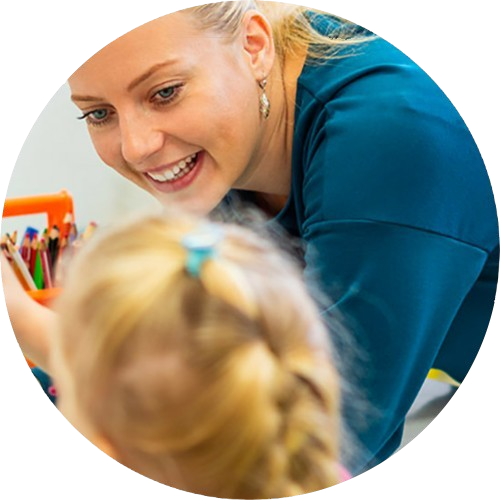
Rather than teaching toileting, our focus was on creating safety. Through Interplay Therapy, we prioritised relationship, acceptance and unconditional love. By helping Kaitlyn’s nervous system experience safety through connection, we allowed her brain to begin forming new associations with everyday experiences.
Our goals wasn’t to change her behaviour. It was to help her no longer need those protective instincts in everyday experiences.
The toilet wasn’t the problem. Kaitlyn’s nervous system was protecting her from an experience it believed might happen again.
Big Moments. Big Changes
Started Play Again
The little girl who had withdrawn from the world began to re-engage with life. Kaitlyn rediscovered her imagination, played with toys, laughed with her sisters and embraced the silliness and curiosity expected of a four-year-old.

Enjoying Family Photos
After her X-ray experience, Kaitlyn would avoid having photographs taken because they reminded her of being held during her medical procedures. Today, she willingly joins family photos and has even begun asking her family to take photos and videos of her—a milestone her family once thought would never happen.

Expressing Emotions
As Kaitlyn’s sense of safety grew, so did her confidence to communicate. She began sharing her feelings and needs more openly with her family instead of relying on protective behaviours to communicate her distress.

Toileting Journey
Although Kaitlyn is not yet fully toilet trained, her relationship with toileting has changed dramatically. Rather than avoiding everything related to the toilet, she now happily engages with her Gotta Go Giraffe and Baby Born toileting doll, using play to safely explore an experience that once felt frightening. These moments may seem small, but they represent enormous progress. They show a nervous system that is beginning to replace fear with safety, curiosity and confidence.

Finding Her Voice
The language Kaitlyn learnt through Interplay Therapy became part of her everyday life. “I get to choose what happens.” These simple words reflect something much deeper. Through repeated experiences of safety, connection and choice, Kaitlyn’s brain is rewiring. She is learning that she has control, that relationships are safe, and that she no longer needs to remain in a constant state of survival.
Where Kaitlyn is Today
Today, Kaitlyn continues to surprise everyone around her.
She now chooses to separate from mum and have sleepovers at her Baba’s (grandma’s) house and loves spending quality time with her sisters, grandparents and aunty. Her confidence continues to grow and her willingness to embrace new experiences is something her family once though impossible.
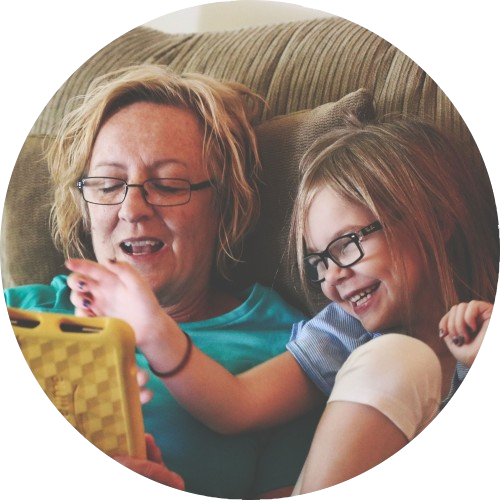
Most importantly,
her family say they have their little girl back.
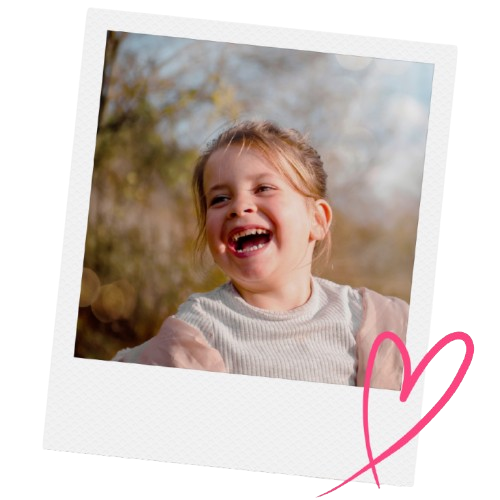
The playful personality that had disappeared has returned. their home is once again filled with curiosity, laughter and the beautiful sound of Kaitlyn’s deep belly laugh.
What Kaitlyn Taught Us
Behaviour is communication. Children don’t need us to simply change what we see on the outside. They need us to understand what’s happening beneath the surface.
When we create safety through relationship, acceptance and connection, children no longer need protective behaviours that once kept them safe.
Healing becomes possible.
Kaitlyn’s journey reminds us that when we look beneath the behaviour and help a child feel truly safe, their brain can move from survival to security, allowing them to simply enjoy being a child.
Every Child has a Story
If Kaitlyn’s story resonated with you, we’d love to learn about yours.