SAFETY STARTS AT THE DOOR: INTERPLAY AT DTOP-OFF
Drop-off is one of the most emotionally charged moments of a child’s day. In this workshop, educators and teachers explore how safety, connection, and attuned presence at the door can shape a child’s capacity to regulate, engage, and learn for the rest of the day. Using the Interplay approach, educators and teachers learn to understand behaviour as communication, particularly during separation, and to respond in ways that support emotional safety rather than simply managing behaviour.
The workshop covers how children’s nervous systems detect safety, the role of attachment and trauma at drop-off, and practical, relationship-based strategies educators and teachers can use immediately. Educators and teachers leave with greater confidence, deeper insight into children’s emotional needs, and simple, powerful tools to create calmer transitions, stronger relationships, and more settled days in their classrooms.
CONTENT
- What is Interplay?
- Three Core Concepts
- Core Conditions and Maslow’s Hierarchy of Needs
- Neuroception of Safety and the Power of Non-Verbal Communication
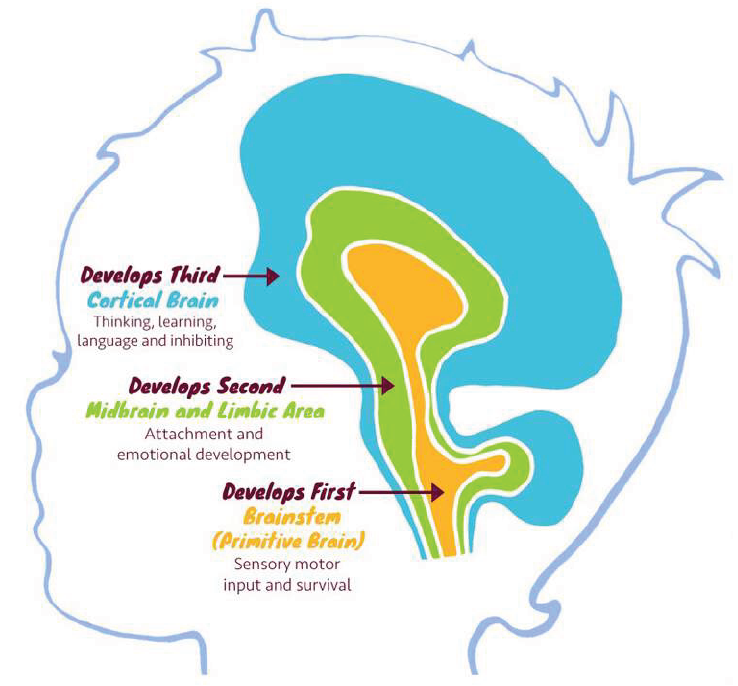
- Attachment, Trauma and Self-Regulation
- Brain Chemicals that Foster Safety
- Window of Tolerance
- Lev Vygotsky’s Zone of Proximal Development
- Practical Approach: Interplay Skills
LEARNING OUTCOMES
•Understand the principles of Interplay and its relevance to child-caregiver relationships.
•Learn how to use relational safety, co-regulation, and empathic attunement to ease drop-off transitions.
•Gain practical skills to recognize and respond to children’s behaviours as expressions of underlying needs.
•Support children’s self-regulation and emotional development throughout the day.
LINKS
•EYLF Outcome 1: Children have a strong sense of identity
•EYLF Outcome 3: Children have a strong sense of wellbeing
•NQS QA 5: Relationships with children